5 Things to Check Before You Hire a Housekeeper
Five things worth checking before a new housekeeper starts, from their ID card to a written agreement, so you aren't back to square one a few weeks later.

Plenty of "our new housekeeper asked to go home after a week" stories could have been avoided at the start. The cause is rarely bad intentions on the worker's part. More often, there were expectations nobody talked about, or the decision was rushed because the house had already gotten out of hand.
Here are five things we suggest checking, whether you hire on your own or through an agency.
1. Clear identity and documents
Make sure the ID card (KTP) matches the person in front of you, including the photo and date of birth. Write down their home address and a family member's number to call in an emergency. For workers who will live in, look after children or care for an elderly relative, some families also ask for a health certificate or a police clearance certificate (SKCK).
Keep a photocopy or photo of the documents, but don't hold on to the originals. The ID card, school certificates and bank book belong to the worker. Keeping them only starts the working relationship off on a note of distrust.
2. Experience and references
"Have you worked before?" doesn't tell you much. Ask for details. How long were they at their last job, how many people lived in the house, what did a normal day involve, and why did they leave? An account that hangs together and makes sense is usually a good sign.
If you can, call the previous employer. Ask practical things like punctuality, honesty with grocery money, and how they handle problems. Limited experience isn't necessarily a bad thing. A first-time housekeeper can turn out very well if they're willing to learn.
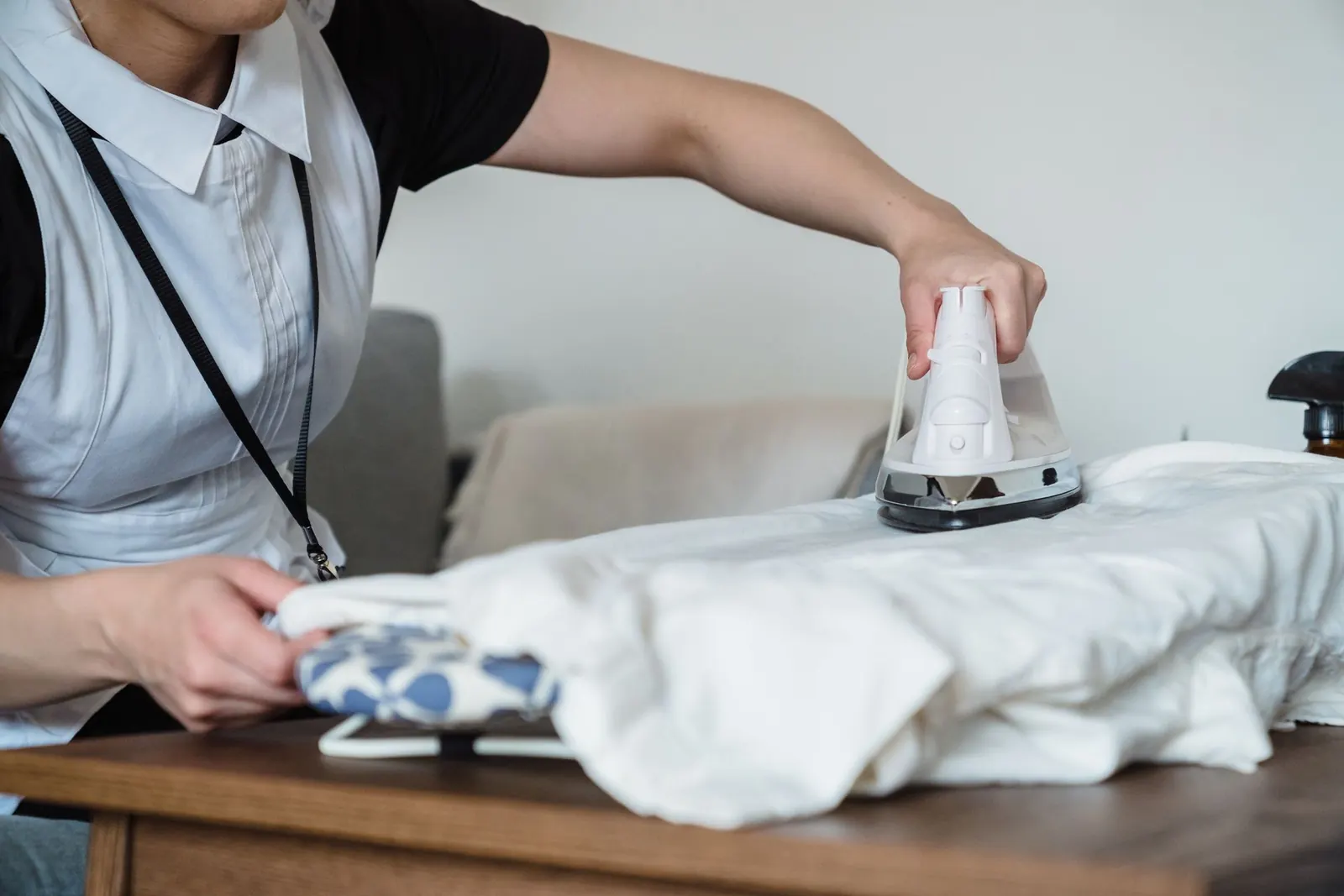
The most honest way to judge someone's skills is to see them in action. Ask the candidate to cook a simple dish or iron a few shirts. Agree, too, on whether there will be a trial period, how long it lasts, and what you'll look at when it ends.
3. Duties, hours and working arrangement
Mismatches often happen because each side pictures a different job. Before you decide, talk it through in concrete terms:
- the main duties, such as cleaning, laundry and cooking, or looking after the children as well
- start time, finish time and breaks
- days off, including leave and the trip home for Eid (Lebaran)
- whether the job is live-in or non live-in (coming in daily)
If you also need help with the children, say so from the start. A housekeeper who also does childcare is usually paid more than a regular housekeeper, and that's fair.
4. Attitude and fit with your family
Skills can be taught, but attitude is much harder to change. During the interview, notice how the candidate answers, not just what they say. Try a real situation, for example: "If my child fell off a bike while I was at the office, what would you do?"
Have your partner, or a parent who lives with you, meet the candidate too. Cover the small things that often get forgotten, such as prayer times, foods someone doesn't eat, or a fear of dogs or cats. These are much easier to discuss before the job starts than after.
5. A written agreement
Verbal agreements are easy to forget and easy to read differently. Write it down simply. One or two pages is plenty. Include the salary and payday, working hours, days off, what's provided (room, meals, supplies), and how either side can end the arrangement if they want to leave.
As a rough guide, a live-in housekeeper in Greater Jakarta usually earns Rp2.5–3.5 million a month, or around Rp3–4 million with childcare. These figures are only a reference, so adjust for experience, workload and where you live.
Things worth asking more about
A few things should prompt more questions before you decide:
- the candidate is reluctant to show their original ID card, or the details don't match
- their account of past jobs changes when you ask again
- they ask for a large loan before starting work
- they refuse to put the agreement in writing
None of these automatically means bad intentions. There may be a reasonable explanation, so ask kindly.
If you have CCTV at home, be upfront about it from the beginning. Don't put cameras in the worker's bedroom or bathroom. Their privacy deserves respect too.
Allow time to settle in
The first two to three weeks are a period of getting used to each other. Show how you'd like things done, be patient with small mistakes, and set aside ten minutes every few days for a relaxed chat about what's working and what isn't.
A written task list helps a lot, for instance a schedule for changing the sheets or cleaning the fridge. Put up a note in the kitchen with the things that matter to your family as well: items that shouldn't be moved, foods the children mustn't have, and the numbers to call in an emergency.
If you don't have time to screen candidates yourself
An agency can save you time. At AgenPembantu.com, candidates have already been through an interview, an identity document check and a screening for their role, and you still interview them yourself before choosing. The employment agreement is made directly between you and the worker, and there's a one-time replacement guarantee within 90 days, subject to terms and conditions.
Want us to help you look? Fill in the hiring form or read more about our Housekeeper service first.